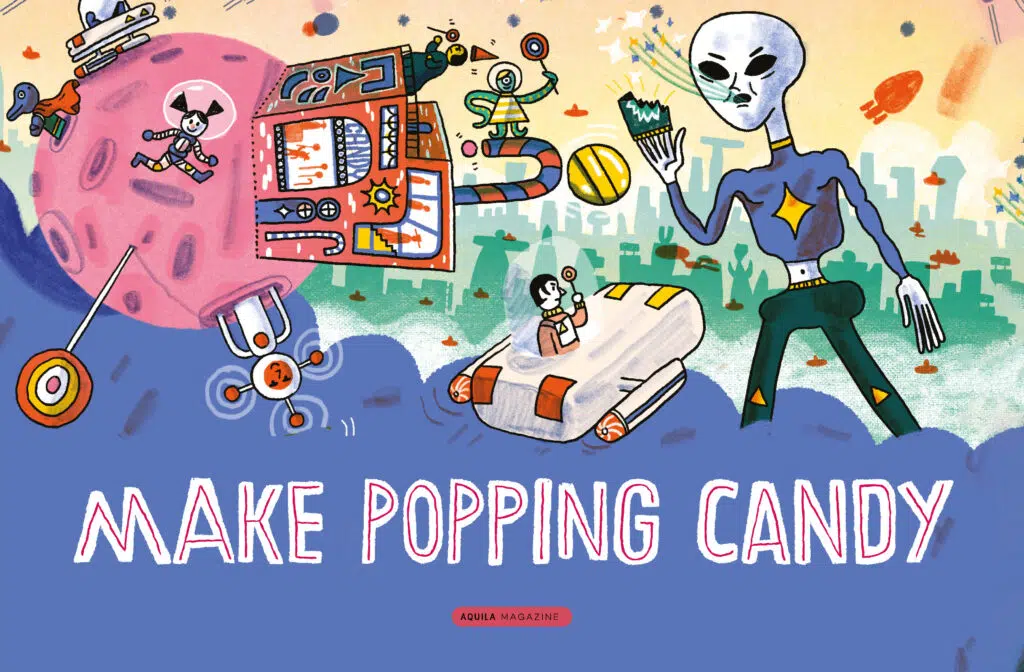
Make popping candy
Make your edible space dust We’re going to make our own version of space dust! Whaaaaat?! Surely you need a
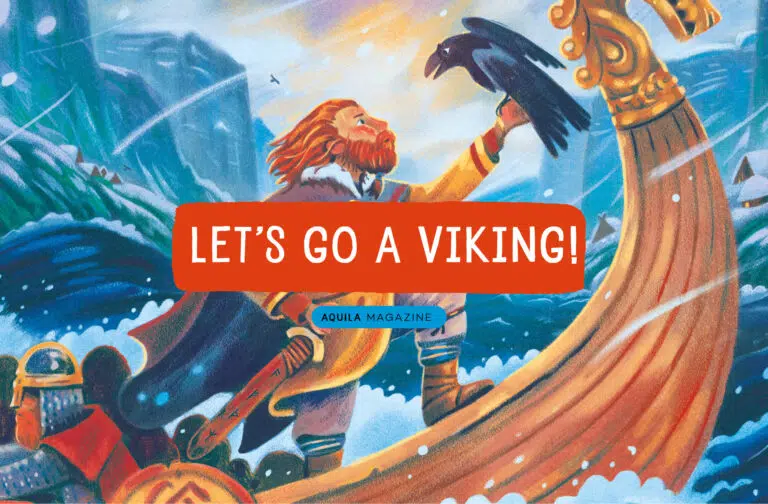
What comes to mind when you picture a Viking? Vicious warriors heading off to war in their longboats, sporting blonde beards and horned helmets? Well, you’d be kind of right… but which ideas about Vikings are facts, and which are fiction? Climb aboard and join us on the choppy journey towards becoming an expert on the Vikings!
The term ‘Viking’ actually describes a massive number of people. It refers to all the Scandinavian people that used boats to travel across water. Scandinavia is the group of countries we would today call Denmark, Norway and Sweden, but in the Viking age (the 8th to the 11th centuries) they didn’t have these names! They would go ‘viking’, meaning they would go sailing to raid lands like Britain, France, Italy and Greenland.
But what has been made up about Vikings throughout history? After all, it’s been a very long time since these ancient Norsemen were around.
While it’s true that the Vikings were great warriors and won settling rights on many different lands, most Vikings were actually farmers! Thralls were slaves, karls were free peasants and jarls were members of the aristocracy, who owned lots of the land and the thralls.
Vikings wore helmets in battle (of course – it would be a bit silly not to). In pictures of what we think they looked like, we often include horned helmets. However, this idea was invented by costume designer Carl Emil Doepler when he was making the costumes for an opera by Wagner, in 1876. Around that time, the Vikings were having a bit of a Renaissance in Britain (people became really interested in them all over again). The costumes were so popular that people kept the designs in mind when imagining Vikings and they’ve lasted until today!
This one’s half true. Most Viking men had shoulder-length hair and beards, but not all. If you were a thrall your hair was probably quite short. Jarls used their well-groomed hair to show off their wealth, and would combine their neat hair with lots of jewellery. How men styled their hair therefore depended on their social status, but it also depended on the region they lived in. Sometimes warriors had different styles to make it easier to fight. Women had long hair too, but if you were married this would probably be tied up in a bun.
While we often think of Vikings as having very fair hair, this also depended on where you lived. Lots of hair was dark, and lots was ginger. Some men (and a few women) bleached their hair to make it lighter, using a strong soap with lots of lye in it (an alkali). Some even bleached their beard hair too!
Vikings spoke a language we refer to as ‘Old Norse’. We know this because of a few old manuscripts that have survived. Lots of words from this language still exist in modern Scandinavian languages, but that’s not where the Old Norse influence ends! Many common English words come from Viking culture too, like leg, dirt, egg, skin, husband, happy, root, both, want, law, give and take. Next time you hear a friend using one of these words, let them know they have the Vikings to thank for it!
Vikings actually had very good personal hygiene. Their hair was well-styled and they had all sorts of items for grooming themselves, like tweezers, ear spoons for wax, toothpicks, nail cleaners and razors. Combs were made of various materials, including antlers, wood, whalebone and walrus tusks. They washed once a week, which by the rest of Europe’s standards was a lot! So in actual fact they were a lot less smelly than we might think.
If you enjoyed this brilliant blog, then why not think about a subscription to AQUILA magazine!
Written by Ellie Long

Make your edible space dust We’re going to make our own version of space dust! Whaaaaat?! Surely you need a

Can We Really Live on Mars? The Science of Terraforming What are we going to do when we have finished
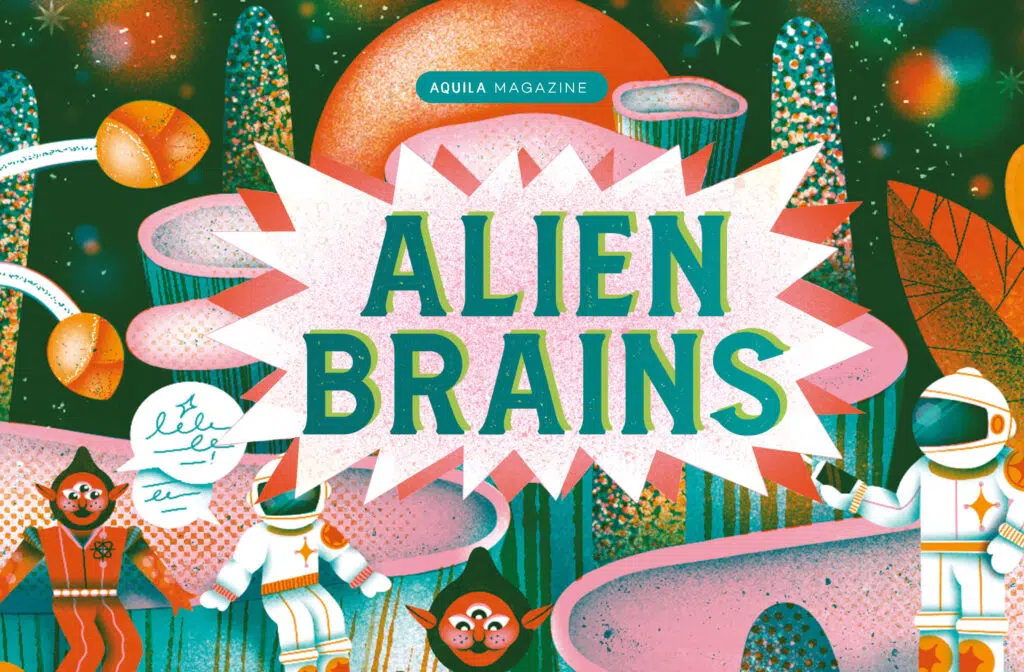
Alien Brains When you imagine an alien, what do you see? Do you see a little green person with big
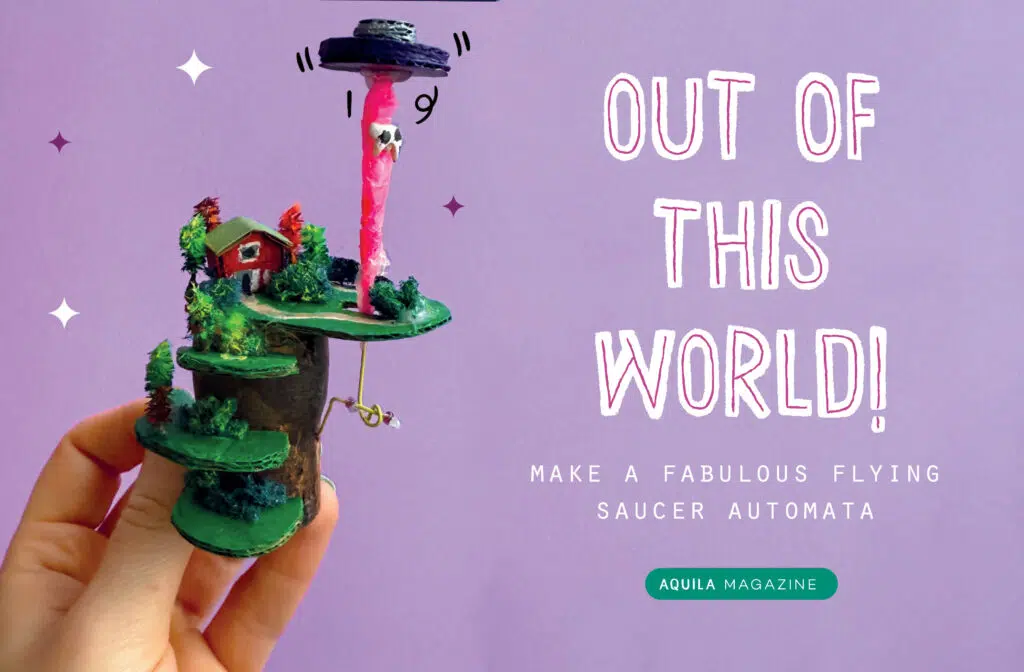
Flying Saucer Automata https://www.youtube.com/shorts/wX7H9WPjQao Words: The AQUILA team. Search Popular Keywords Categories No Record Found View All Results
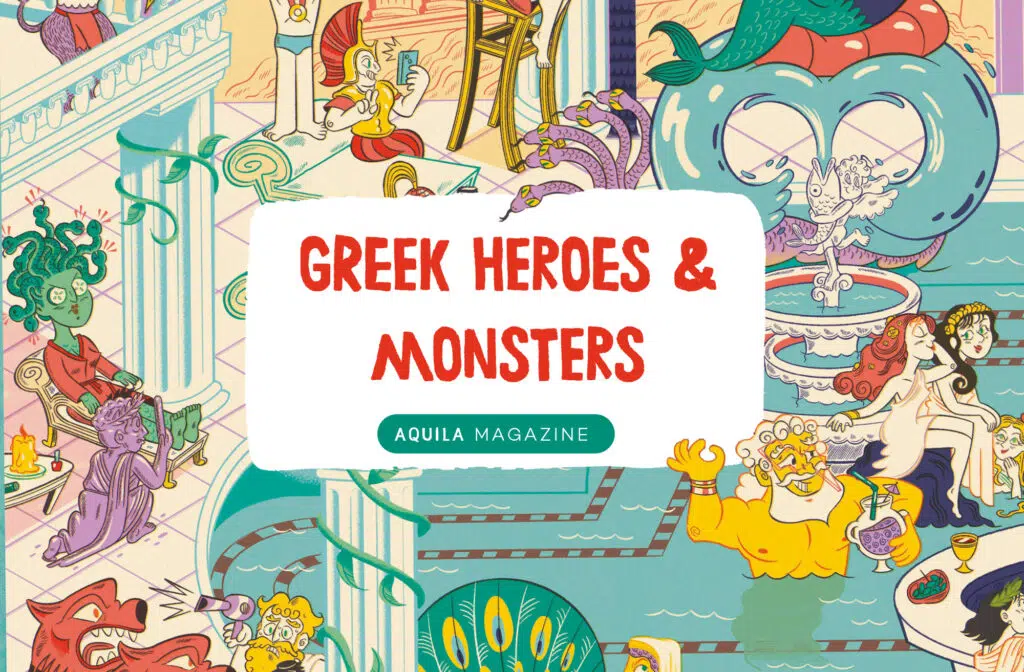
Greek Myths Explained: Heroes, Monsters and Gods of Ancient Greece Heroes Many Greek myths featured a hero – that is,
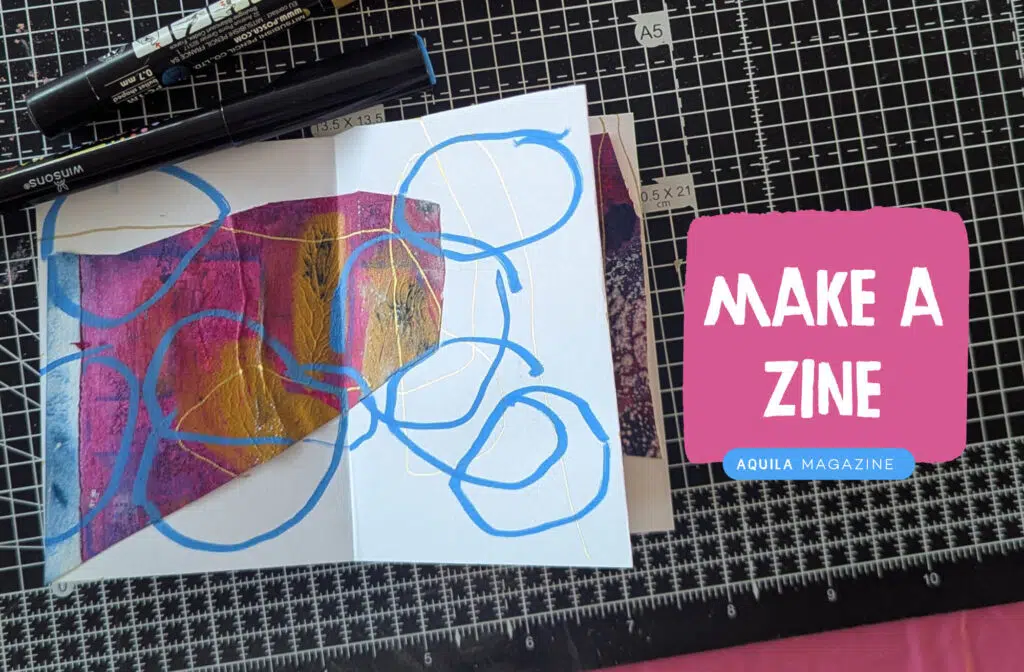
Make an excellent eight-page zine A zine is a self-published print work, comic or book, produced in very small numbers.