Explore England’s World War II Sites and Museums

World War II may have ended 80 years ago, but there are still plenty of places you can visit to experience what life was like for the people who lived in those dangerous times.

Stockport Air Raid Shelters

These air raid shelters were the biggest in Britain and could house 6,500 people. The tunnels were dug into the sandstone cliffs along the River Mersey in the 1930s. They were originally intended to provide car parking spaces, but when war broke out in 1939, they offered the much-needed shelter that residents of Lancashire and Cheshire required. Try and imagine sleeping here as bombs fell outside. 

RAF Cosford

World War II was fought as much in the air as on the ground. The most famous type of British fighter plane was the Spitfire, with its single propeller and distinctive engine noise. Cosford Royal Air Force Museum is home to the world’s oldest surviving Spitfire, as well as 70 other planes, and they’re all displayed in wartime hangars.

Imperial War Museum, London

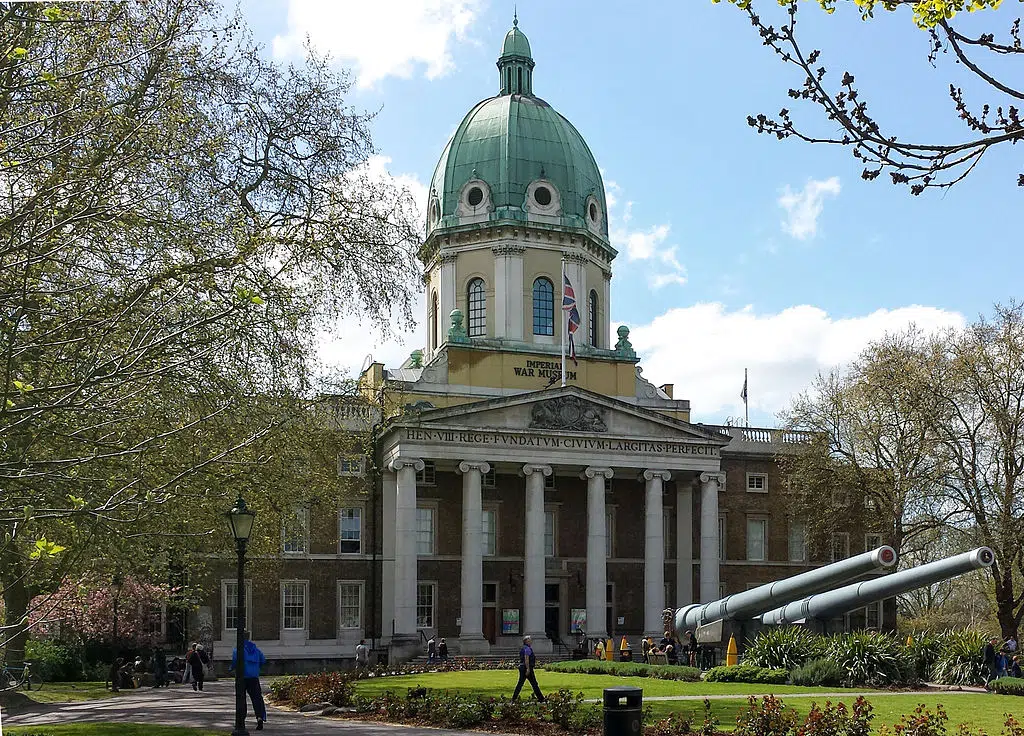
Dedicated to collections of weapons and war machines, the Imperial War Museum in London is world famous. See the Word War II exhibits and compare them with newer machines of war.

Imperial War Museum, DeFacto, CC BY-SA 4.0 , via Wikimedia Commons

Royal Navy Submarine Museum, Gosport

War was waged under the sea as well as on the ground and in the sky. Enter any of the five submarines here at the Submarine Museum near Portsmouth and you will discover just how difficult the life of a submariner could be. 

Churchill War Rooms, London

The people in charge of the war had to be safe from falling bombs. Come to the underground rooms (bunkers) in London and see first hand where the government of the day retreated to take shelter and make plans. The prime minister, Winston Churchill, had a bedroom here but space was tight and there wasn’t much luxury to go around. The tension of the times can still be felt here today.

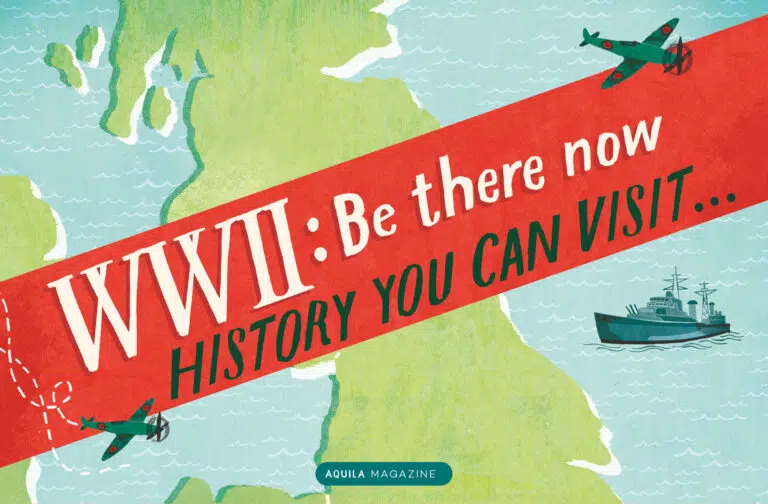
Illustration: Sarah Mulvanny

Imperial War Museum, Duxford 

Come to Duxford and be amazed by an air museum housed at one of the UK’s best-preserved World War I airfields. This is Britain’s largest aviation museum and its finest remaining example of a World War II fighter station. 

HMS Belfast, London

Come and board a real World War II warship. This was the toughest and largest ship in the fleet, charged with protecting convoys of troops and essential supplies.

Battle of Britain Museum, Kent

In July 1940, the Germans were preparing to invade Britain. But to be in with a chance of mounting an invasion they had first to defeat Britain’s airforce. By October 1940, the Germans had abandoned their attack on the RAF as well as their invasion plans. British planes, flown by young pilots, had saved Britain. At the Battle of Britain Museum you can see the world’s largest collection of Battle of Britain relics, housed in original 1940s buildings, some of which still bear the scars of war.

Inside the Battle of Britain Museum, Kent. Ron Hann, CC BY-SA 2.0 , via Wikimedia Commons

Anderson Shelters

Many people built Anderson shelters in their gardens. These were simple rooms dug into the ground and covered with arches of corrugated metal sheeting, with a steel door strong enough to resist a bomb blast. Up to six people could sleep in one, but they were very cold and cramped. Very few Anderson shelters survive today. If you have one in your back garden, or you know someone who has, please write and let us know. 

Pillboxes

Invasion was a constant threat to the British Isles. Thick-walled concrete boxes were built all over the UK at strategic points to prevent the anticipated attack. A few men could take shelter in these while aiming their guns at an advancing enemy. Keep a look out. Pillboxes were so well built that around 6,500 of the 28,000 that existed are still standing in our fields and on our shores, bridges and jetties. 

Memorials

In towns and villages throughout Britain you can see memorials carved with the names of soldiers who died either in WWI or WWII. Every year on Remembrance Sunday, the second Sunday in November, wreaths of poppies are placed on these memorials during a special ceremony. The purpose of these ceremonies is to give us a chance to remember the sacrifice made by so many men and women, who gave up their lives in the service of our country.

Why not do some research and see what World War II meant to your community? You may be surprised at what you discover.

Charlesworth War Memorial by David Dixon, CC BY-SA 2.0 , via Wikimedia Commons

If you enjoyed this blog, then why not think about a subscription to AQUILA magazine! 

Written by the AQUILA team. Illustration by Illustration: Sarah Mulvanny

Flying Saucer Automata

Flying Saucer Automata https://www.youtube.com/shorts/wX7H9WPjQao Words: The AQUILA team. Search Popular Keywords Categories No Record Found View All Results

Read More »