Make popping candy
Make your edible space dust We’re going to make our own version of space dust! Whaaaaat?! Surely you need a

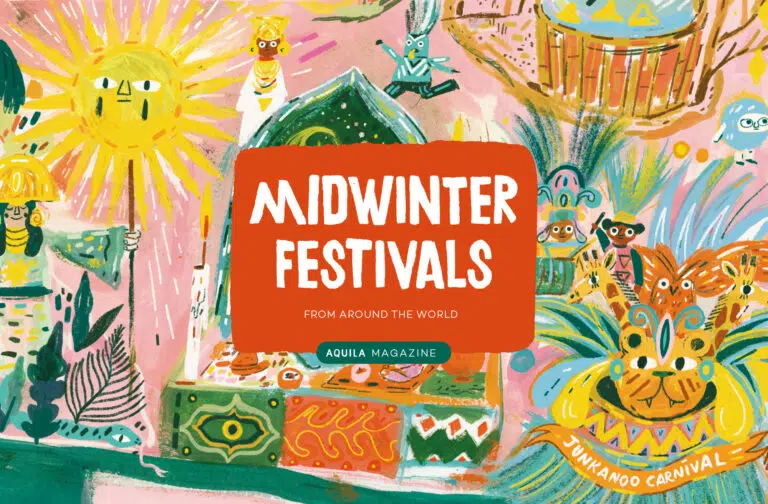
Midwinter sometimes gets a pretty bad rap for being dreary, dark and generally miserable. There’s even a carol about how rubbish it is, but here at AQUILA HQ, we’re not sure that’s entirely fair.
There are plenty of light-filled festivals at this time of year, and we’re not just talking about Hanukkah and Christmas, either. These five fab midwinter festivals and traditions are anything but bleak. In fact, they’re positively RADIANT.
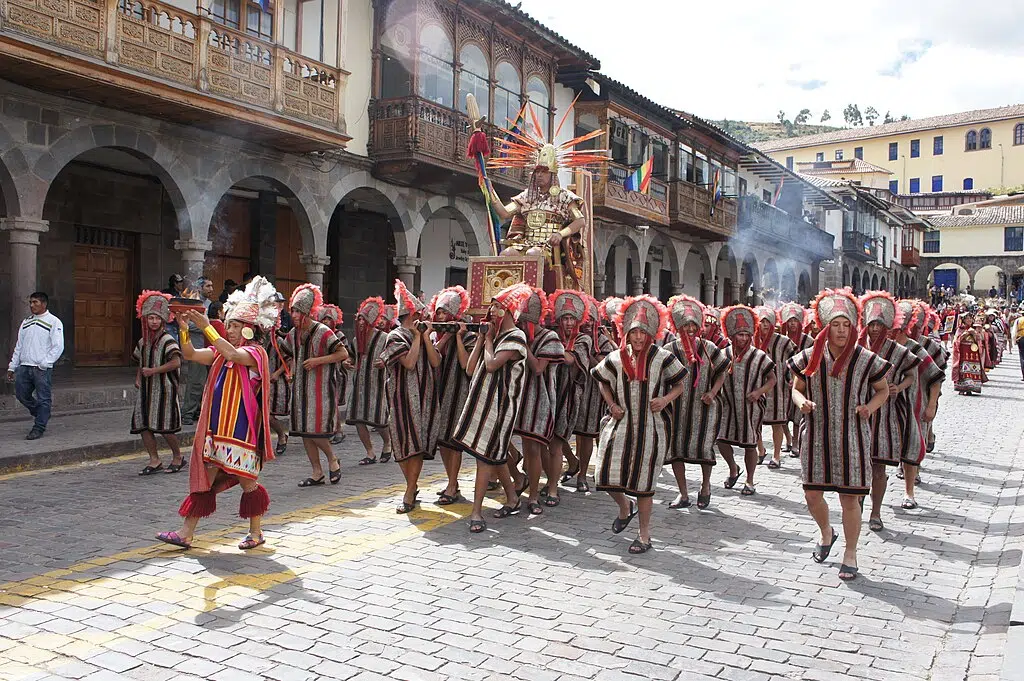
In Peru, the winter solstice (21 June) is celebrated in spectacular style on 24 June (that’s not a mistake, Peru is in the southern hemisphere, which means the shortest day falls when it’s summer in the northern hemisphere).
Inti Raymi (which means ‘Sun festival’) is a colourful celebration of the ancient Incan Sun god, Inti. Each year, skilled actors are chosen to carry out rituals in character as Sapa Inca (the Sun King) and Mama Ocllo, his wife. After delivering a speech praising the Sun, the Sun King is carried to the ruins of Sacsayhuamán temple. A cast of symbolic characters including Snake (representing the underworld), Puma (representing life on Earth), and Condor (representing the heavens) accompany him. At sunset, and following the pretend sacrifice of a llama to ensure a fruitful harvest during the coming year, a huge bonfire is lit. Then the Sun King leaves the temple, attended by performers dancing to horns, panpipes and drums.
How do you fancy through-the-night feasting and atmospheric poetry readings?
The ancient Persian festival of Shab-e Yalda (‘night of birth’) is an enchanting winter solstice festival celebrated by Iranian families. Traditionally, people gathered together on the longest night of the year to protect themselves from evil and celebrate the triumph of Mithra, the Sun god, over the darkest days of winter. Today, family and friends meet to feast on food that is both symbolic and yummy. Pomegranate rind represents the birth of a new crimson dawn. The glistening seeds symbolise the glow of life that comes in the wake of the darkest day. Many people stay up all night to watch the sunrise, read myths and enjoy poetry by the 14th-century Persian writer, Hafiz.
Many Japanese families mark the winter solstice (toji) by doing little things of big importance at home, like soaking in a yuzu citrus fruit bath. The reason? Firstly, it’s said that these zesty zingers can prevent pesky colds. Secondly, they symbolise good luck. The same goes for kabocha (also known as Japanese pumpkin), which is eaten on the solstice to bring good fortune for the coming year.
Another Japanese midwinter tradition involves lighting bonfires to inspire the return of the Sun. Now that sounds like a sizzling way to herald the arrival of longer, brighter days.
Celebrated in the Bahamas, on Boxing Day and New Year’s Day, the Junkanoo is a stunning street parade that sees participants dress in colourful costumes with dazzling headdresses and masks. Thought to have originated in the 16th or 17th century and named after West African folk heroes or deities, it began when enslaved Africans, forcibly transported to the Bahamas, celebrated the days of rest they were granted around Christmas.
Music and dance play a huge part in the flamboyant festivities. West African-style goatskin drums, cowbells, horns and whistles accompany the dazzling procession of dancers to create an exuberant celebration of African heritage. Similar festivals, arising from the same tradition, called Jankanu, are held by the Afro-descendant and Garifuna people in Honduras and English-speaking parts of the Caribbean, including Belize.
Dongzhi began as a harvest festival for Chinese farmers and fisherfolk. The name means ‘arrival of winter’ and it’s celebrated on the winter solstice.
These days it’s a special time for families to get together and celebrate the year that’s passed. The days begin to grow longer after Dongzhi, so it’s also a time to look forward with hope. In southern China, families enjoy tucking into brightly coloured rice balls called tang yuan, which means ‘soup ball’. Not only are these glutinous globes soup-er tasty, their name even sounds like the Chinese word for ‘union’ (tuányuán).
If you’ve enjoyed this blog and want to read more fascinating facts, then why not get a subscription to AQUILA magazine!
Words: Joanne Owen. Illustration: Liv Bargman. With thanks to Dr Althea-Maria Rivas

Make your edible space dust We’re going to make our own version of space dust! Whaaaaat?! Surely you need a

Can We Really Live on Mars? The Science of Terraforming What are we going to do when we have finished
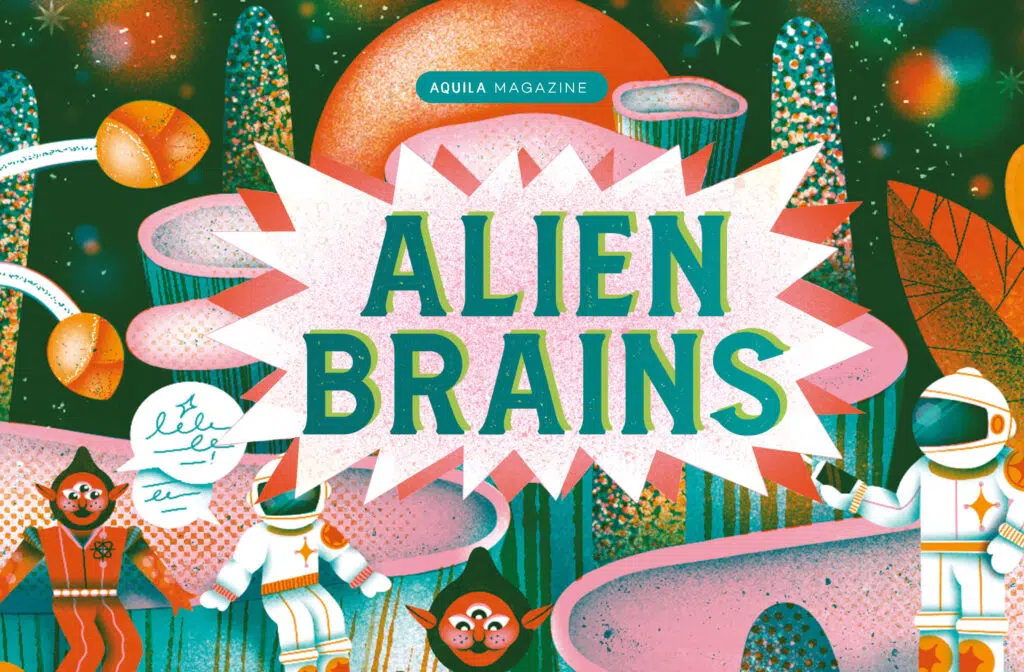
Alien Brains When you imagine an alien, what do you see? Do you see a little green person with big
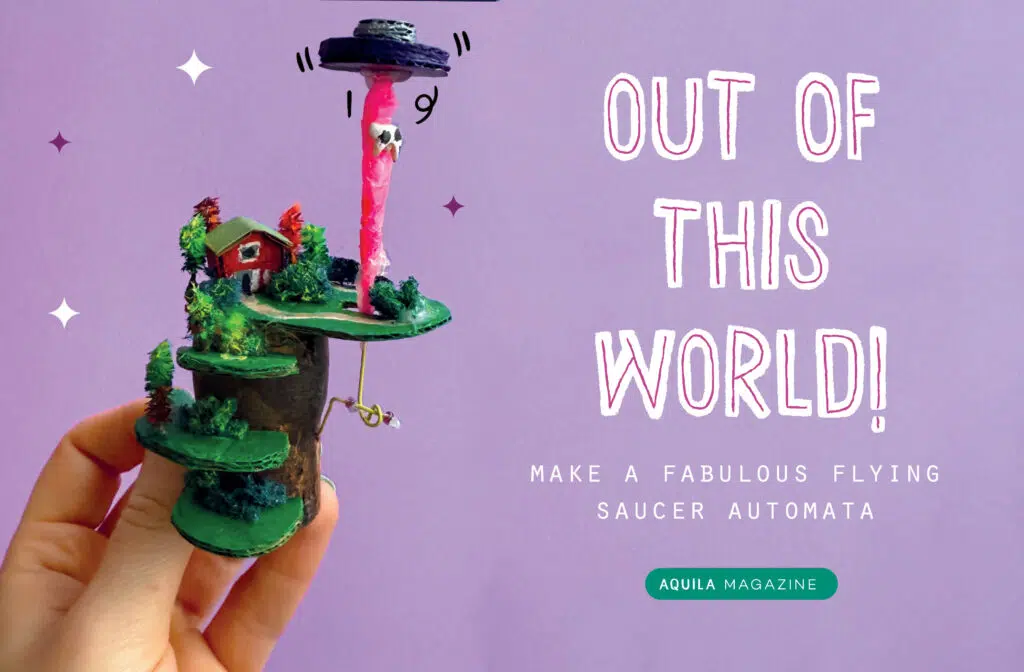
Flying Saucer Automata https://www.youtube.com/shorts/wX7H9WPjQao Words: The AQUILA team. Search Popular Keywords Categories No Record Found View All Results
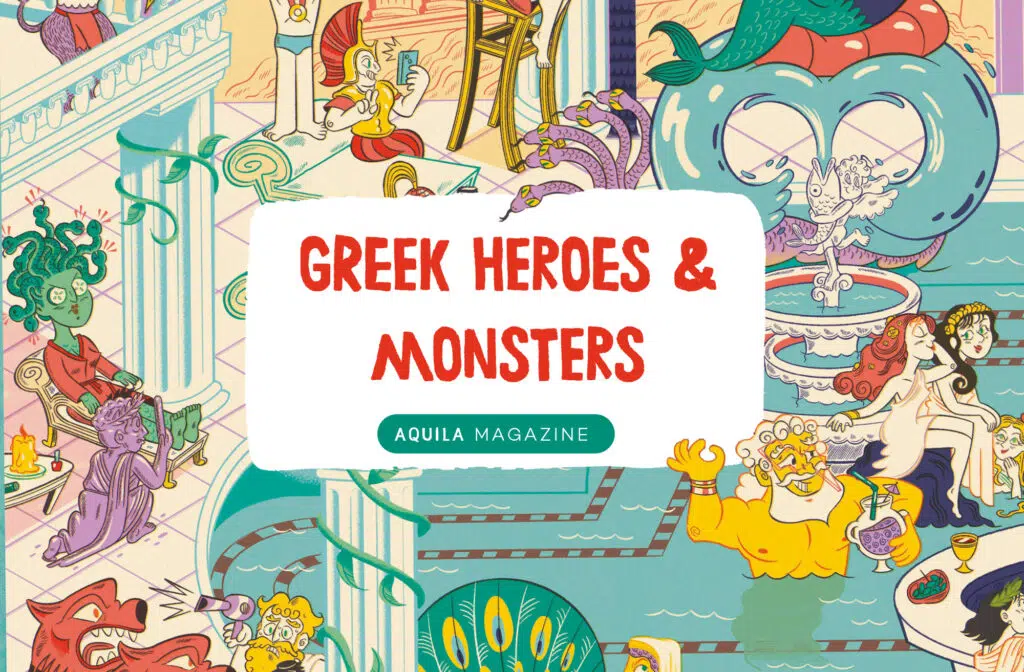
Greek Myths Explained: Heroes, Monsters and Gods of Ancient Greece Heroes Many Greek myths featured a hero – that is,
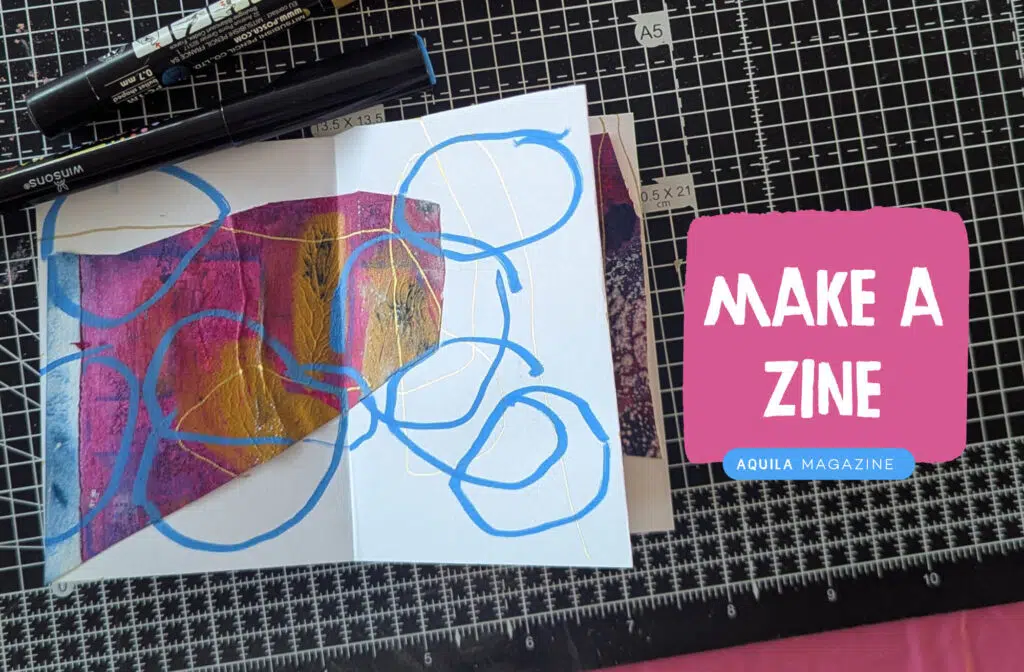
Make an excellent eight-page zine A zine is a self-published print work, comic or book, produced in very small numbers.