Make popping candy
Make your edible space dust We’re going to make our own version of space dust! Whaaaaat?! Surely you need a
‘If music be the food of love, play on.’ Do you know who said that? William Shakespeare. Of course.
And do you know who couldn’t play a musical instrument to save his life? William Shakespeare. So what was he on about then?
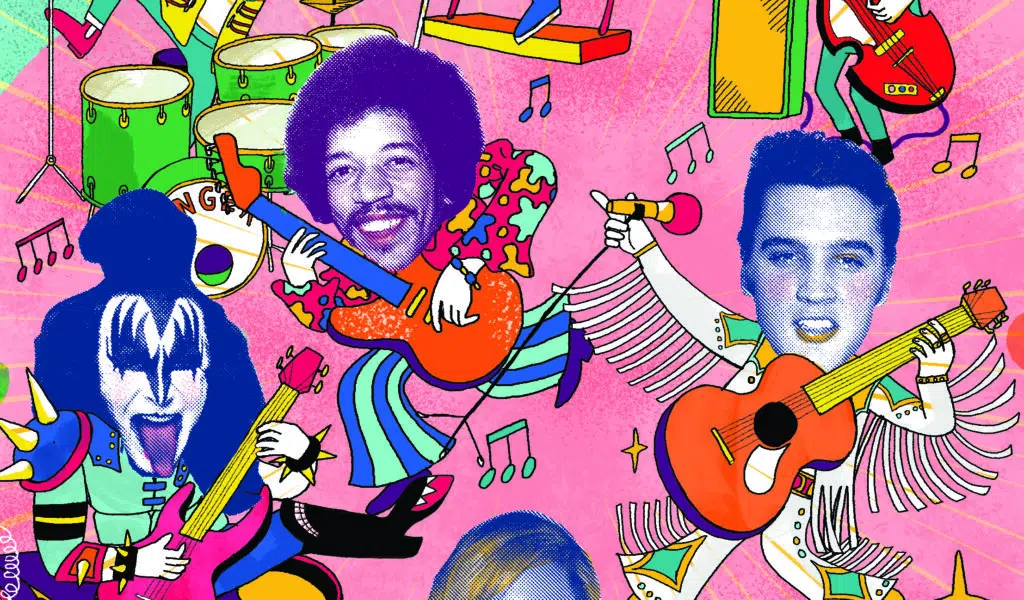
It doesn’t matter if you’re eight or 80, music probably features in your life, whether you’re reluctantly dragged along to piano lessons or finding new and innovative ways to drown out your sister’s awful violin practice. You probably have your favourite songs, or bands that speak to you about who you are and how you’re feeling; even deaf and hearing-impaired people can enjoy music by feeling vibrations (if the conditions are right). Getting on your headphones or popping in your earbuds provides you with an escape from the madness of school and home, and allows you time and space to disappear into a world of sound (and drown out that terrible violin screech).
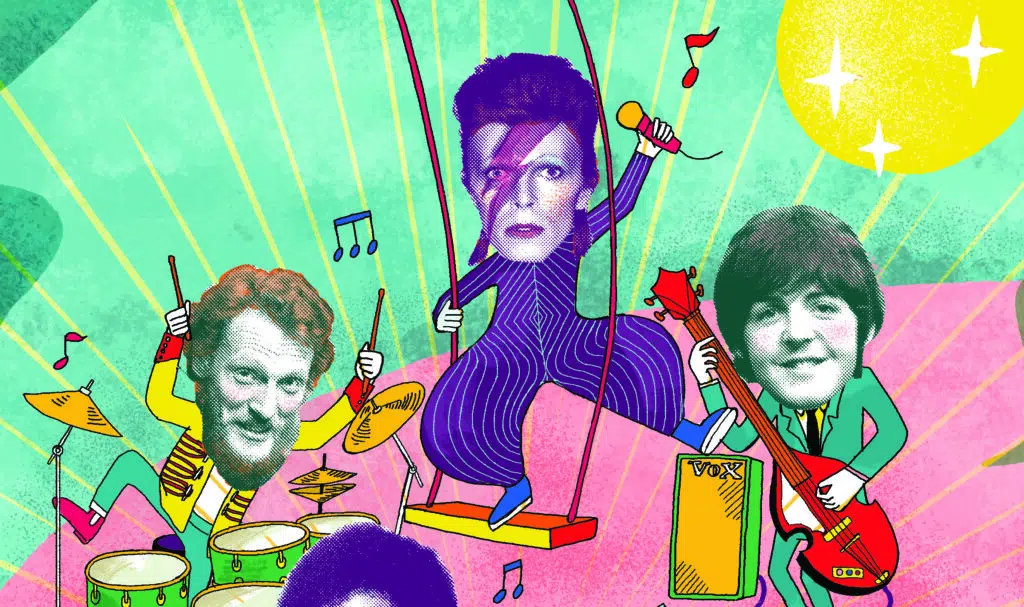
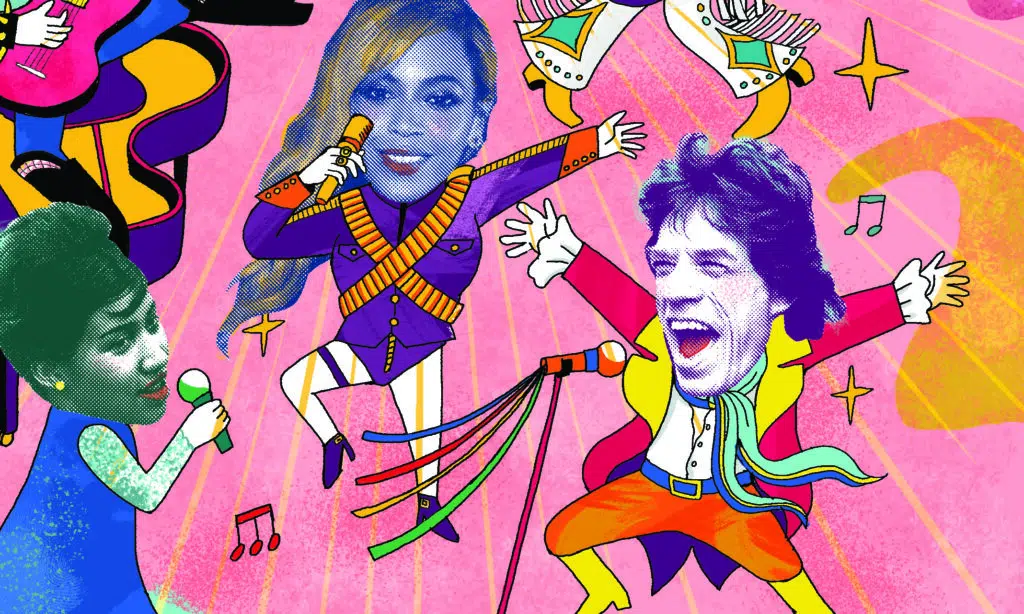
If (like every adult you know) you secretly perform epic air guitar solos, or picture yourself on stage singing to thousands of adoring fans, chances are you’re going to need to learn some sort of instrument. Do you need lessons, or do you think you might be able to teach yourself?
Can any brain pick up and learn an instrument, or do you have to have hardwired musical ability? Are musicians born, or made? That’s what we’re here to find out.
Ask yourself this: who’s the better musician:
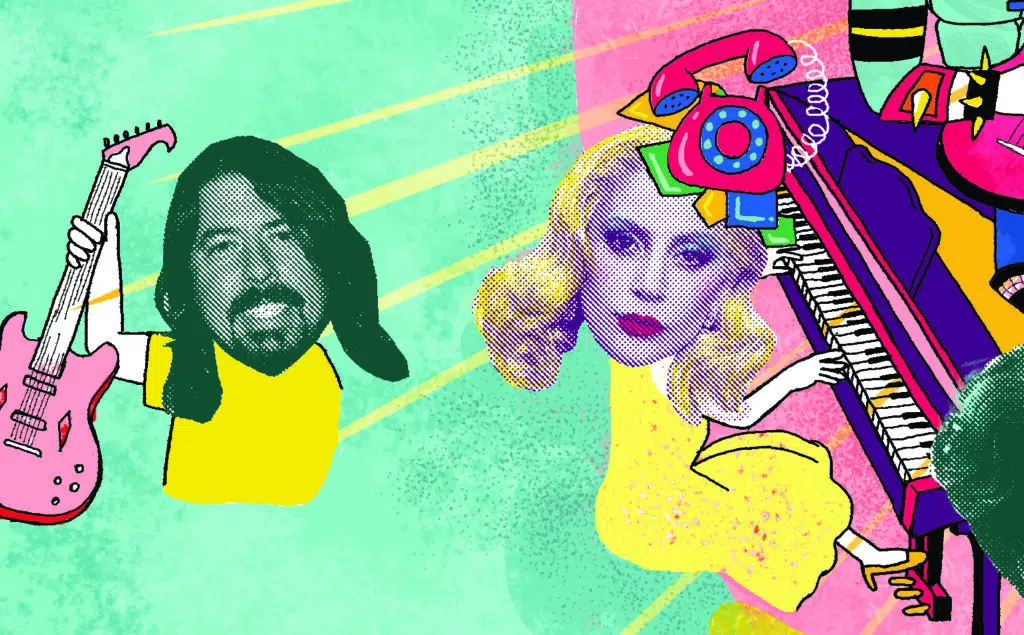
Dave Grohl (Nirvana and Foo Fighters)
or
Lady Gaga (singer and pianist)?
It’s tough, right? Certainly, much will depend on your personal tastes, but the biggest difference between these two isn’t the beard, it’s that Grohl is a self-taught axe slayer (or, if you’re not familiar with rock lingo – guitarist) and Gaga was taught music from an early age. Grohl can’t read a note. Gaga, on the other hand, can sight-read a musical score without missing a beat.
Australian and Canadian scientists have dedicated time to researching whether musicians are born or made. In 2014, a study got as close as scientists can to saying that, while there doesn’t seem to be one single gene that determines musical ability, it’s quite possible that this aptitude is the outcome of a lot of different genes interacting and working together.
Much like watering a seedling and seeing it grow into a flower, most experts take this to mean that while there might be talent already waiting in your cells, you need to practise and nurture it to really see it develop.
Unfortunately most of us won’t be able to find out for sure if we’re genetically pre-disposed to musical brilliance. We just have to work with what we’ve got. Let’s imagine for a moment that you’ve never picked up a guitar before, but you’re pretty sure that you’re destined to become a rock deity, like Grohl. Whether you have a dormant capability or not, is it possible to teach yourself by ear alone and not dedicate yourself to weeks of slavishly plucking scales and learning to read musical notation?
The answer is yes, but learning by ear is not a shortcut. You’ll still need to carry out hours (and hours and hours) of practice. Figuring out a guitar solo by ear is a pretty impressive achievement by anyone’s standards. To get the chords down, you’ll probably need a little help from a book, or from YouTube, but otherwise, you’re good to go. Really though, teaching yourself to play by ear is just as hard work as learning from a teacher. It’s just that you’re ‘winging it’ a bit more and you can do it while wearing your pyjamas, something that can’t usually be said for bassoon lessons.
Do you think you have a musical brain, and, if so, what does that look like compared to the bog-standard non-musical version?
That weird blob in your skull will change as you learn and develop your musical skills. Another study, this time from Finnish scientists in the field of neuromusicology, revealed that listening to music touches almost every aspect of your brain’s functions. While your auditory elements are busy processing sound, the motor areas of your brain (the bits that control movement) are reacting to the pulse. Then you’ve got the areas dealing with whatever emotions are coming up.
If listening alone can produce that response, then learning to play it goes even further. To put it simply, musicians’ brains are different to those of non‑musicians.
However you’ve learnt to play an instrument, your brain is likely to be bigger and more sensitive than the brains of non-playing folk. What does this mean? Well it can mean that you stay more mentally alert as you get older, and that your hearing continues to function pretty well.
If you have dyslexia then you might also benefit from learning music. Some studies show that musical training can have a positive impact on reading skills and speech processing.
There are literally zero drawbacks to learning a musical instrument. It can help you improve hand-eye coordination, sharpen your memory and even improve your mood. What’s not to love?
Whether you come from a long line of gifted musicians or have never picked up a musical instrument in your life, according to science, Foo Fighters and Lady Gaga, with enough practice you’ll be up there with the best of them – giving your screechy sister a run for her money.
If you’ve enjoyed this bodacious blog then why not sign up to a subscription to AQUILA magazine!
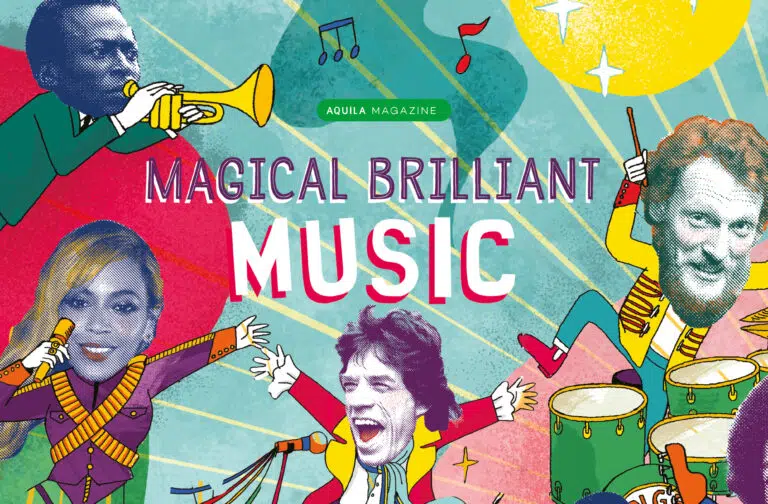
Words: Caroline Pattenden. Illustration: Takayo Akiyama

Make your edible space dust We’re going to make our own version of space dust! Whaaaaat?! Surely you need a

Can We Really Live on Mars? The Science of Terraforming What are we going to do when we have finished
Alien Brains When you imagine an alien, what do you see? Do you see a little green person with big
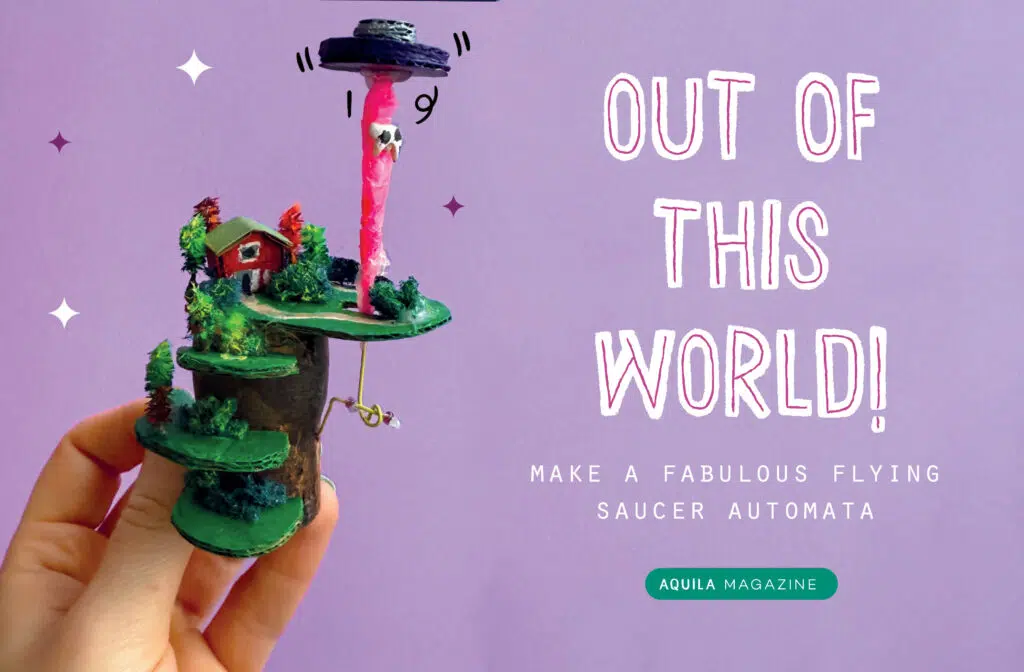
Flying Saucer Automata https://www.youtube.com/shorts/wX7H9WPjQao Words: The AQUILA team. Search Popular Keywords Categories No Record Found View All Results
Greek Myths Explained: Heroes, Monsters and Gods of Ancient Greece Heroes Many Greek myths featured a hero – that is,
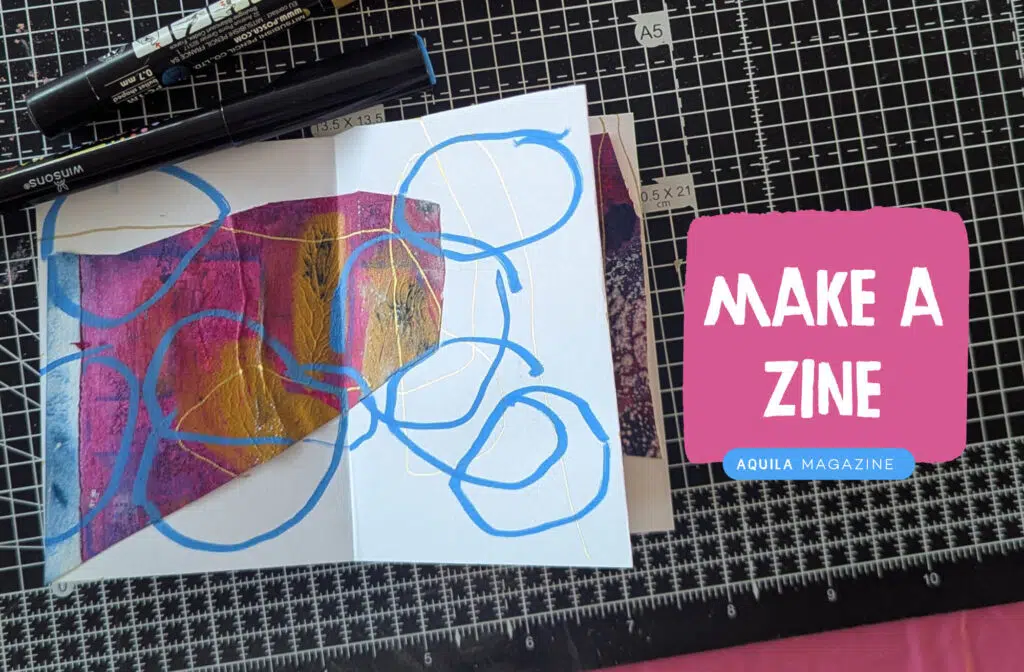
Make an excellent eight-page zine A zine is a self-published print work, comic or book, produced in very small numbers.